Black Health Conditions
The conditions that affect Black people in Canada more often, or more severely, and what the evidence says about why.
Why some conditions hit Black communities harder
Some of these conditions have a genetic part. Sickle cell disease is inherited, and APOL1 gene variants raise kidney risk. For most of them, the gap tracks the conditions people live in: income, housing, access to a family doctor, and how the health system treats Black patients.
That is why we study anti-Black racism and the social determinants of health alongside the conditions themselves, and why Black-focused health data matters. Canada publishes little of it. Where no Canadian figure exists for Black people, we show United States data and label it.
Black health in Canada today
-
1,547,870
Black people in Canada, 4.3% of the population
-
2.1×
Diabetes among Black adults, compared with White Canadians
-
49
COVID-19 deaths per 100,000 Black people in 2020, against 22 for the non-racialized, non-Indigenous population
-
76%
of Black adults have a regular health care provider, against 87% of White adults
Figures are as published by each source. Select a source to read the original.
Conditions to know
12 conditions where Black people in Canada and the United States face higher rates or worse outcomes. Open each for what it is, the key figure and the signs to watch for.



-
An inherited blood disorder that is more frequent among people whose ancestors come from sub-Saharan Africa, the Caribbean and several other regions. A person has the disease after inheriting two sickle cell mutations. One mutation means sickle cell trait, which causes no disease and no symptoms.
Affects approximately 6,000 people across Canada.
What to watch for: Pain, fatigue, shortness of breath and dizziness. Serious complications include severe pain episodes, breathing problems and stroke. (Canadian Blood Services)
-
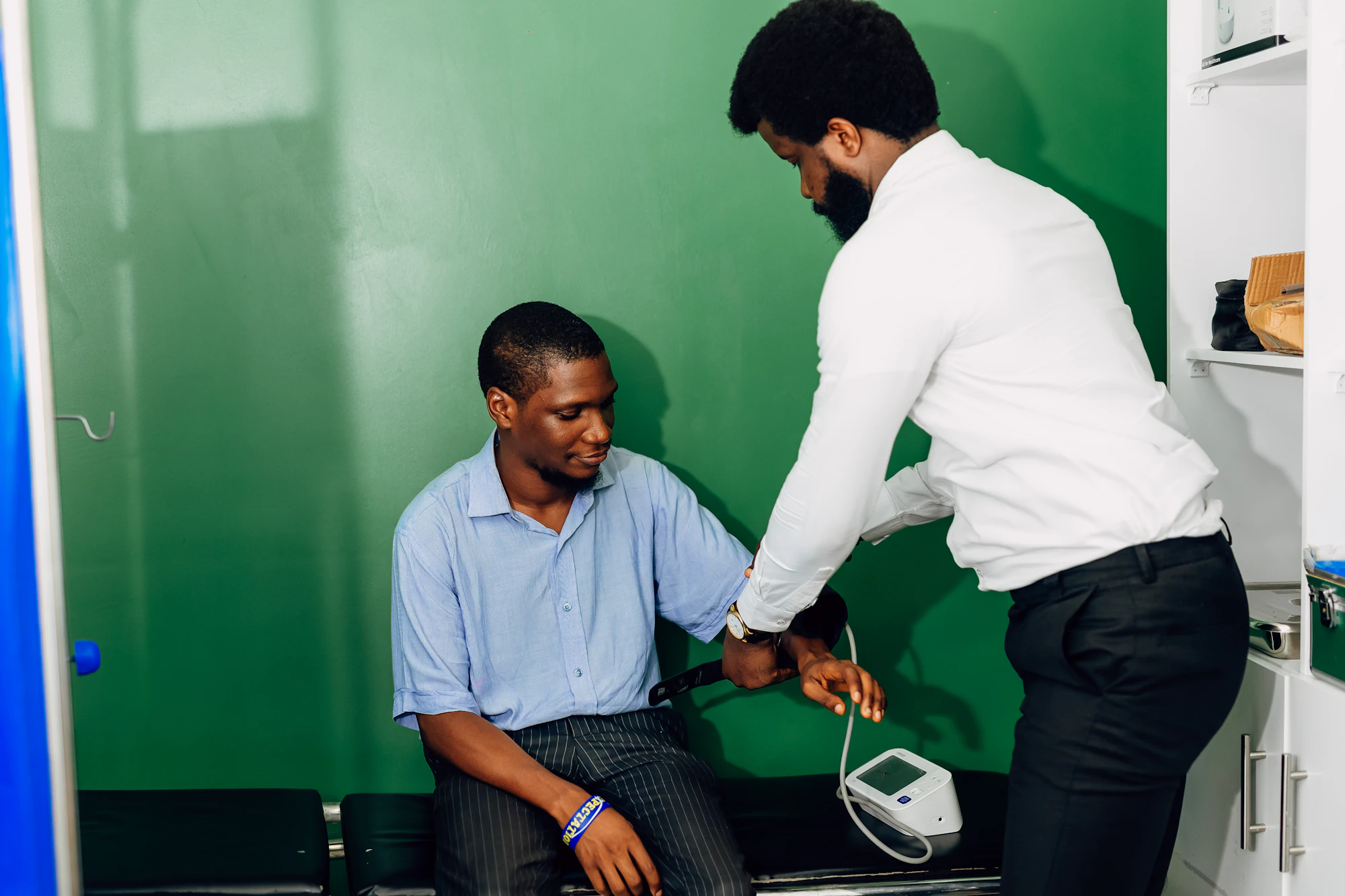
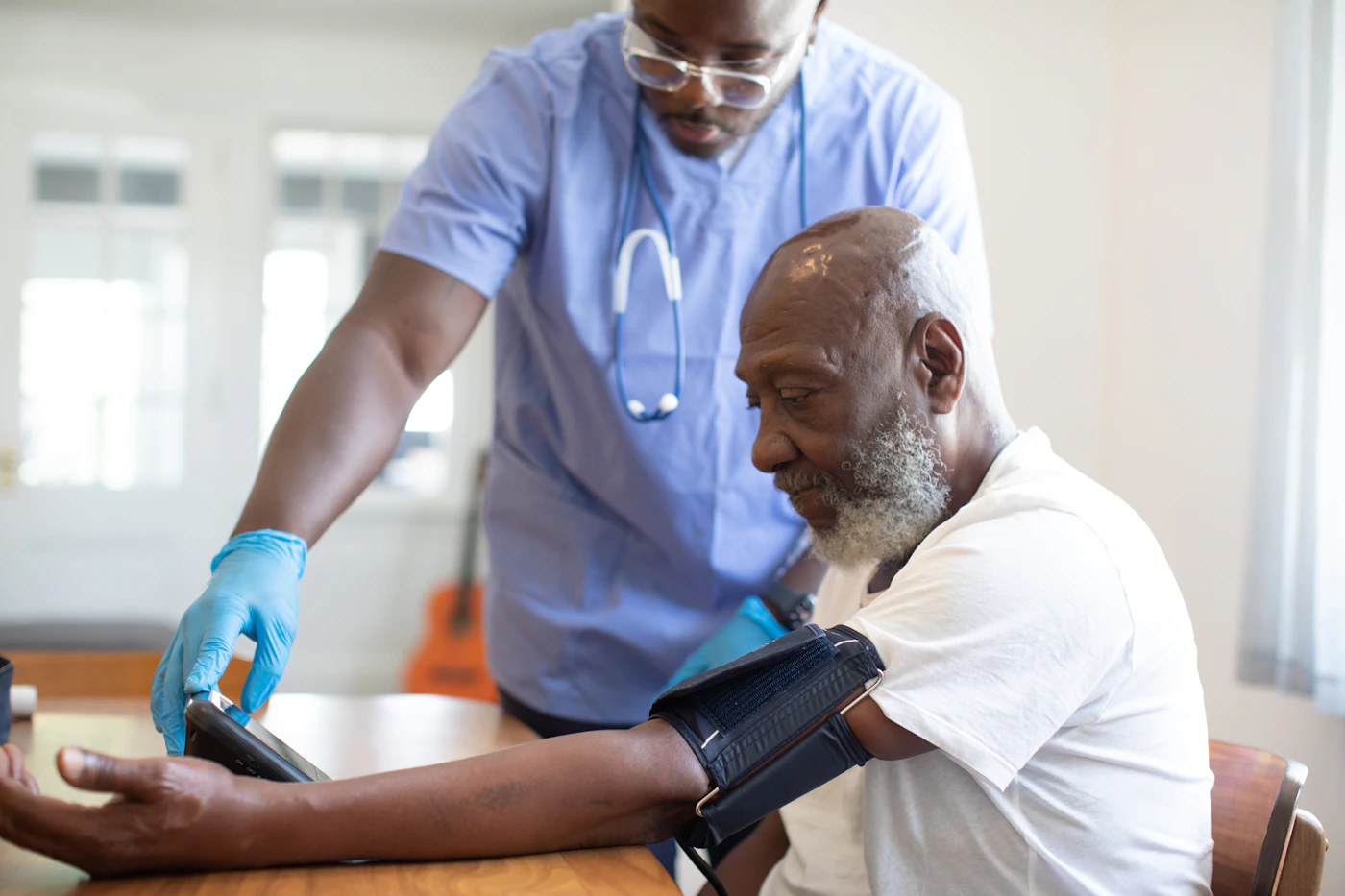
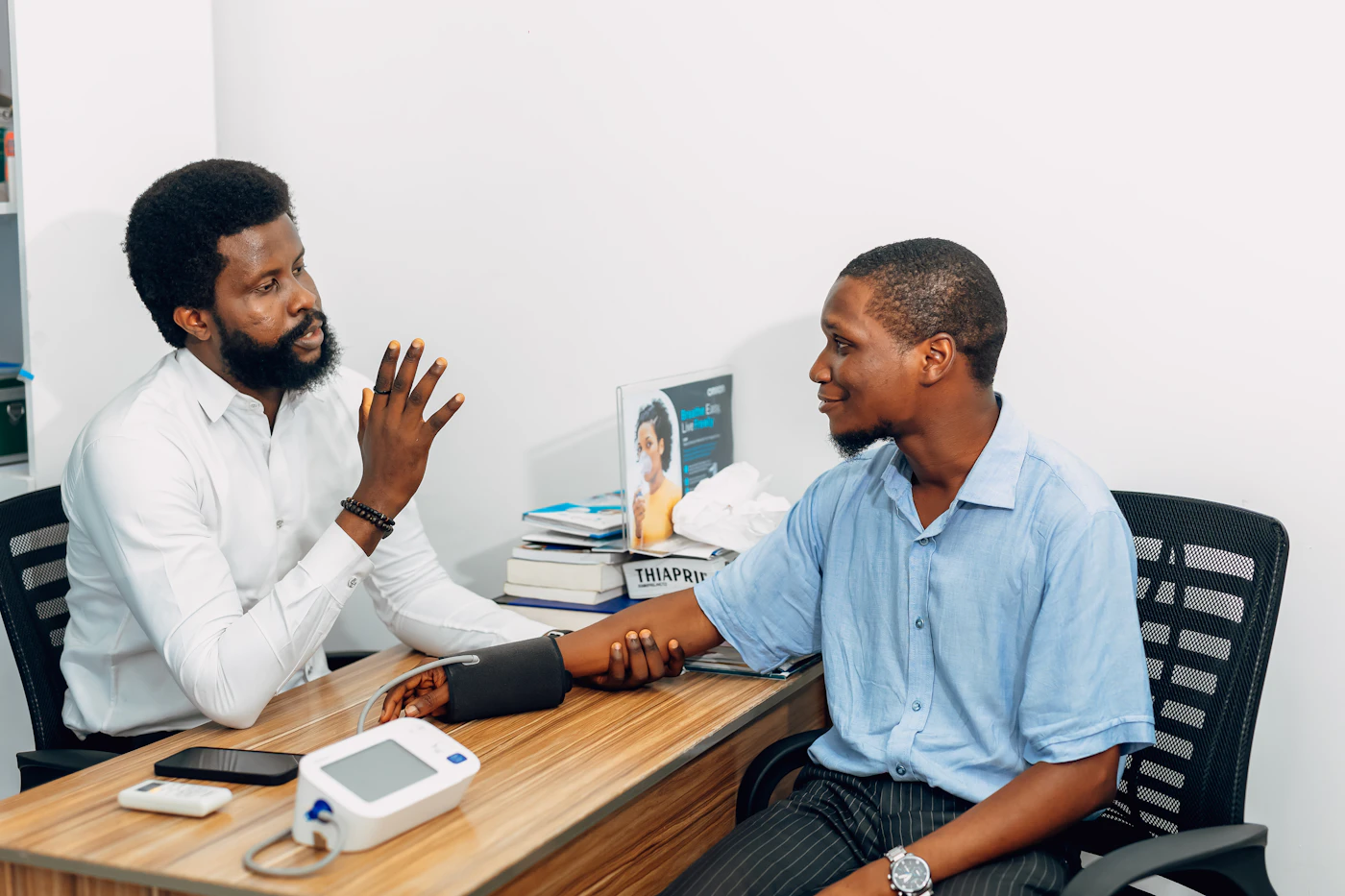
Heart & Stroke reports that Black people in Canada have higher rates of high blood pressure than White people in Canada, and names it as a driver of higher heart disease and stroke risk. Canadian figures on the size of the gap are limited.
59.6% of non-Hispanic Black adults have high blood pressure, against 44.8% of non-Hispanic White adults.
US dataUS Centers for Disease Control and Prevention, High Blood Pressure Facts
What to watch for: High blood pressure often has no symptoms. Heart & Stroke advises talking to your provider about regular testing for high blood pressure and diabetes. (Heart & Stroke)
-
People of African heritage have a higher risk of heart disease and stroke. Heart & Stroke links this to higher rates of high blood pressure, diabetes and other risk factors, which may appear at a younger age.
The risk of a first stroke is nearly twice as high for non-Hispanic Black adults as for White adults.
US dataUS Centers for Disease Control and Prevention, Stroke Facts
What to watch for: Stroke is a medical emergency. Learn the FAST signs and call 9-1-1. Do not drive to the hospital. (Heart & Stroke)
-
Black adults in Canada have about twice the diabetes rate of White Canadians. The Public Health Agency of Canada presents the gap as part of the social determinants and inequities Black Canadians face.
Diabetes prevalence among Black Canadian adults is 2.1 times the rate among White Canadians.
What to watch for: Unusual thirst, frequent urination, extreme fatigue, blurred vision. Some people have no symptoms at all. (Diabetes Canada)
-
Diabetes and high blood pressure, both more common in Black communities, are major paths to kidney disease. Two APOL1 gene variants found in people of African ancestry also raise risk, although most people with both variants never develop kidney disease.
22% of non-Hispanic Black adults have chronic kidney disease, against 13% of non-Hispanic White adults.
What to watch for: About 9 in 10 adults with chronic kidney disease don't know they have it. Testing is the only way to find out. (US CDC)
-
Prostate cancer occurs more often in Black men, including men of African or Caribbean ancestry, who are also more likely to have tumours that grow and spread quickly. In Canada, a higher risk of dying from it persisted even after adjusting for social determinants of health.
Black men in Canada had a 33% higher risk of dying from prostate cancer.
Statistics Canada, Health Reports, Mortality inequalities of Black adults in Canada (2023)
What to watch for: The Canadian Cancer Society counts Black men as high risk and suggests considering testing from age 45. Ask your provider about PSA testing. (Canadian Cancer Society)
-
An aggressive subtype that accounts for about 10% to 15% of breast cancers. It is more common in Black women, in women who have not gone through menopause, and in women with a BRCA1 mutation.
25.7 new cases per 100,000 non-Hispanic Black women, against 13.0 per 100,000 non-Hispanic White women.
What to watch for: It can have the same signs as other common breast cancers, so any change in the breast is worth a visit. (American Cancer Society)
-
Most women develop fibroids by 50, but they appear in Black women at earlier ages and more often. No Canadian figure for Black women has been published.
Estimated cumulative incidence by age 50: more than 80% for Black women and nearly 70% for White women.
US dataBaird et al., American Journal of Obstetrics and Gynecology (2003)
What to watch for: Heavy bleeding, painful periods, pelvic pressure, frequent urination and lower back pain. (US Office on Women's Health)
-
An autoimmune disease that develops more often, and tends to be more severe, in Black women. Its causes are not fully understood.
Black women are 2 to 3 times more likely than White women to develop lupus.
What to watch for: Pain or swelling in muscles and joints, skin rashes (particularly a butterfly-shaped rash on the face), fever. (US CDC)
-
Open-angle glaucoma takes vision gradually and usually has no early symptoms. Being of African descent and over 40 is a known risk factor.
Open-angle glaucoma is about five times more common among African Americans and Mexican Americans than among White Americans.
What to watch for: No early symptoms. People at higher risk need a comprehensive dilated eye exam every 1 to 2 years. (US National Eye Institute)
-
Black people giving birth in Canada face substantially higher rates of severe pregnancy complications, especially severe preeclampsia. The gap did not close with higher income, which points away from income as the explanation.
Severe maternal morbidity: 47.8 per 1,000 live births among Black people, against 27.7 among White people.
-
The Mental Health Commission of Canada links the mental health burden in Black communities to historic trauma and to present-day inequities in care, including fewer family physicians, longer waits and few Black clinicians.
38.3% of Black residents with poor or fair mental health used services, against 50.8% of White residents (Ontario, 2001 to 2014).
What to watch for: Free support is available, including through the Black Health Alliance, Wellness Together Canada and the Canadian Mental Health Association. (Mental Health Commission of Canada)
Bring these questions to your doctor
This information explains risk across populations. It is not a diagnosis and does not replace advice from a doctor or nurse who knows your history. If something here sounds familiar, ask about screening at your next appointment. In an emergency, call 9-1-1.
Make a donation
Help close the Black health data gap
We are a registered charity (77114 2361 RR0001). Gifts go through CanadaHelps, which issues your tax receipt.
Amount buttons open CanadaHelps, where you confirm your gift securely.